

 Angelika Krempl
Can plastic packaging be sustainable? The question is almost as old as the material itself. A study published this year demonstrates that plastics are often the best alternative from a climate perspective.
There is widespread consensus that plastic waste doesn’t belong in the environment. Much more complicated, though, is the question of what that means for the use of plastics. “It’s crystal clear, isn’t it? We need to reduce our consumption of plastics.” That may at first seem the obvious answer, but put like that it only makes sense on one very significant condition: that the plastic saved is not simply replaced with a different material. Or, to give an example, making a PET bottle lighter, resulting in a net material saving, is a good idea. Replacing the same bottle with a container made from a different material, though? Not necessarily.
Firstly, because replacing the material does not automatically solve the problem of what to do with the waste. And secondly, because every material – whether glass, aluminium or even biodegradable plastic – will cause greenhouse gas emissions in the course of its life cycle, and hence have a greater or lesser impact on the climate. Taking our example, what this means is that in the worst case the PET bottle is replaced with a form of packaging that can just as easily end up as waste in the environment and, indeed, be even more harmful for the climate or much less easily recycled.

Facts, not gut feelings
It was with precisely this problem that researchers at the University of Sheffield grappled. In the introduction to their study, published at the start of the year, they write: “For example, what good is a shift away from plastic bags if the paper alternative emits more greenhouse gas emissions across the product life cycle?” In the many applications where dispensing with a product or packaging entirely is impossible, therefore, it is vital to opt for the material that causes the lowest emissions – over the entire life cycle.
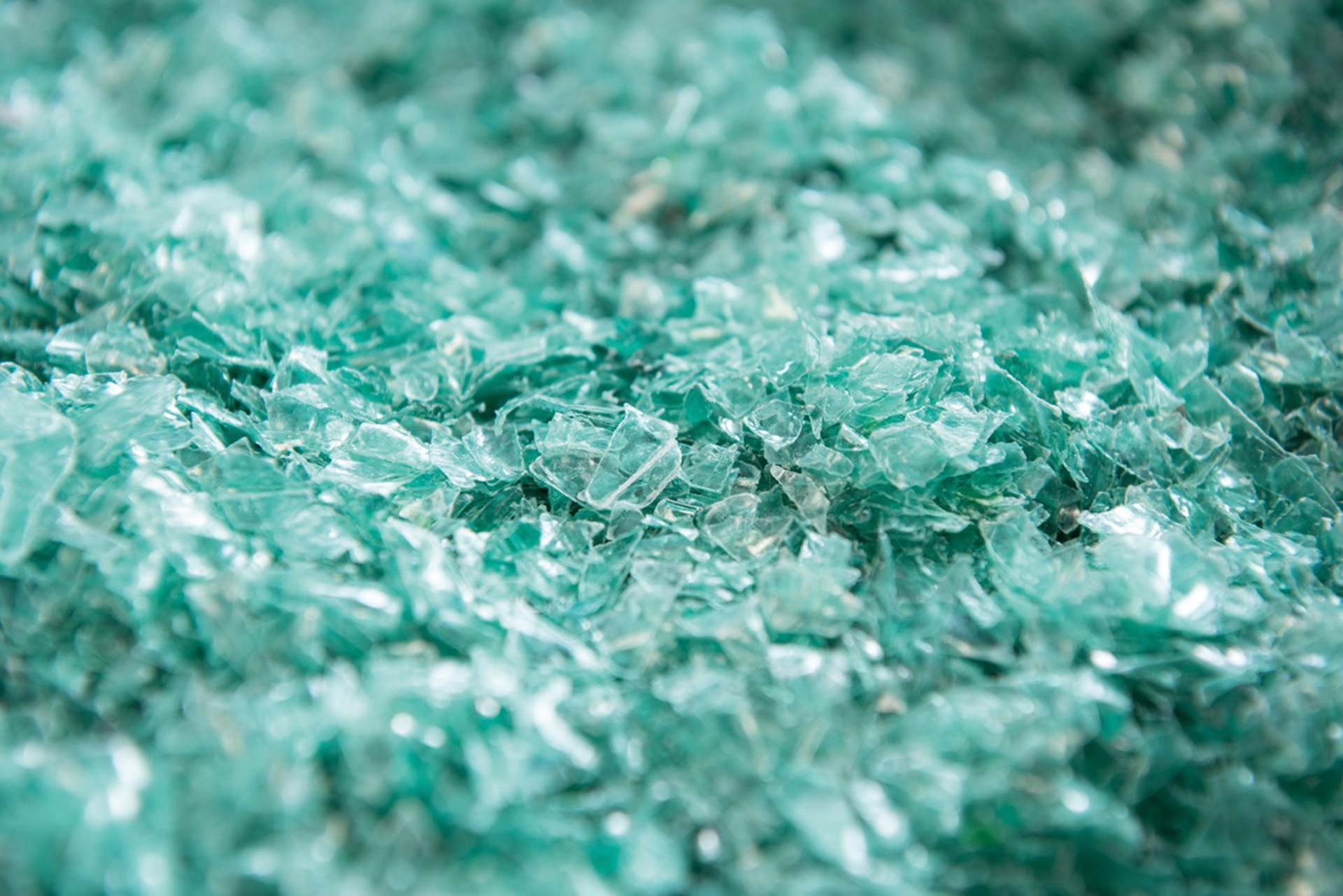
For their study, the researchers analysed 16 specific applications from five plastic-consuming industries, including food and beverage packagings. The corresponding life cycle analyses revealed that in 15 of the 16 cases, plastic was the alternative with the lowest emissions. Based on these results, the authors advise against short-sighted substitution strategies, because in many cases this would actually increase greenhouse gas emissions. It would make more sense to prolong the life cycle of plastic products, expand the waste infrastructure and increase recycling rates rather than switching to alternative materials with a worse carbon footprint.
No contradiction: the benefit of LitePac Top
Just a moment, though – what about our secondary packaging LitePac Top? It is made of cardboard, after all, and was developed as an alternative to plastic shrink film. Doesn't that contradict the study’s findings? Not by any means.
The study reveals “only” that plastic is the better option in many cases – but not all. That is precisely why the researchers also advise selecting the material based on objective life cycle analyses. And these in turn have to take into consideration the specific conditions and parameters of the particular application.
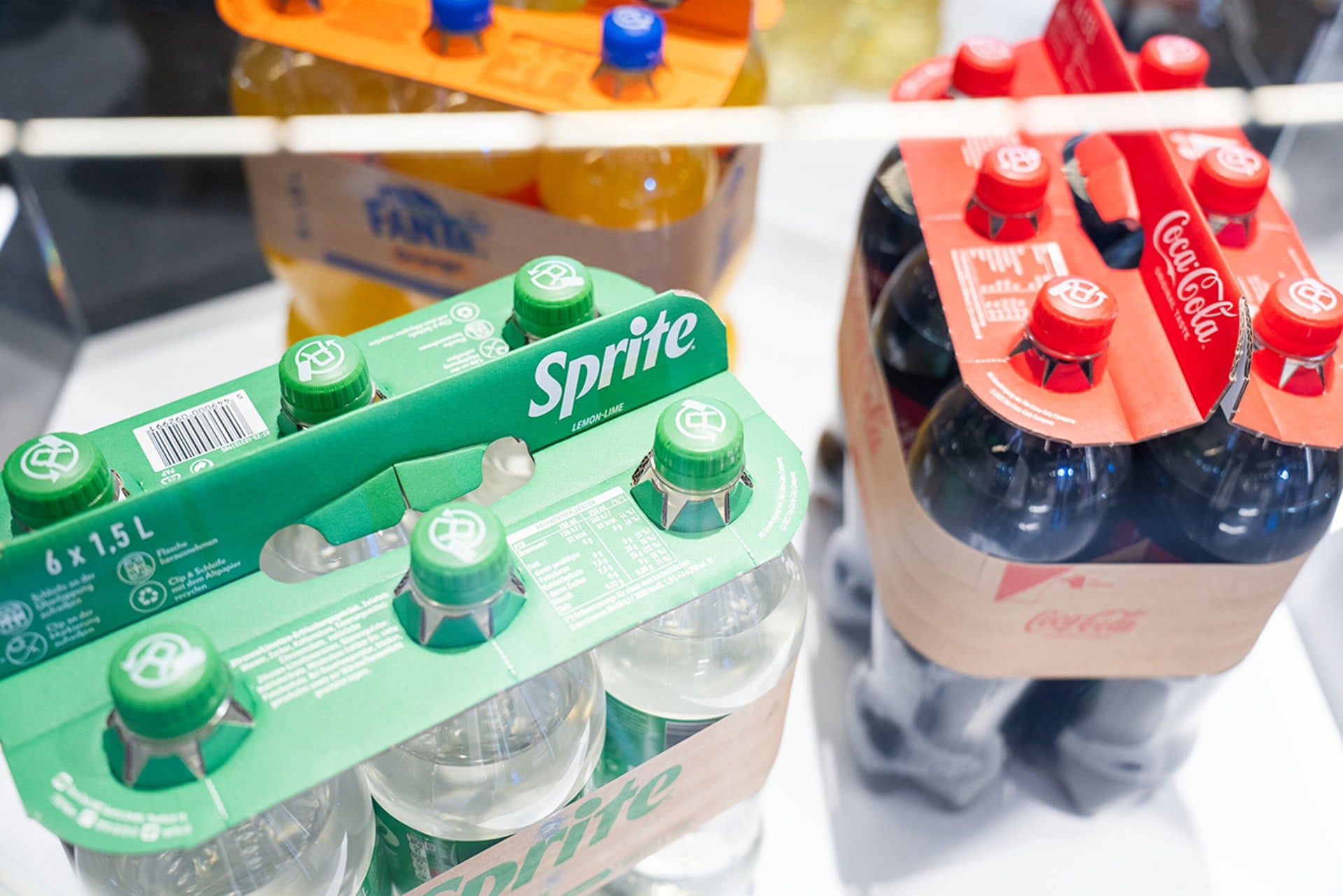
On the question of LitePac Top versus shrink film, then, the energy required to shrink the film onto the pack also has to be factored into the equation. Since the LitePac Top entirely removes the need for an energy-intensive shrinking tunnel in the line, the LitePac Top has its nose well in front.