Practical understanding instead of theoretical ideal solutions
The aim of the case study is to develop a realistic understanding of packaging systems in (West) Africa. It focuses on the actual challenges arising locally, such as market conditions, consumer behaviour, environmental factors and existing infrastructure.
The case study is simultaneously providing valuable stimulus for Krones by helping it gain a better understanding of local markets, evaluate packaging solutions in practical application and adapt products and services to specific regional circumstances.
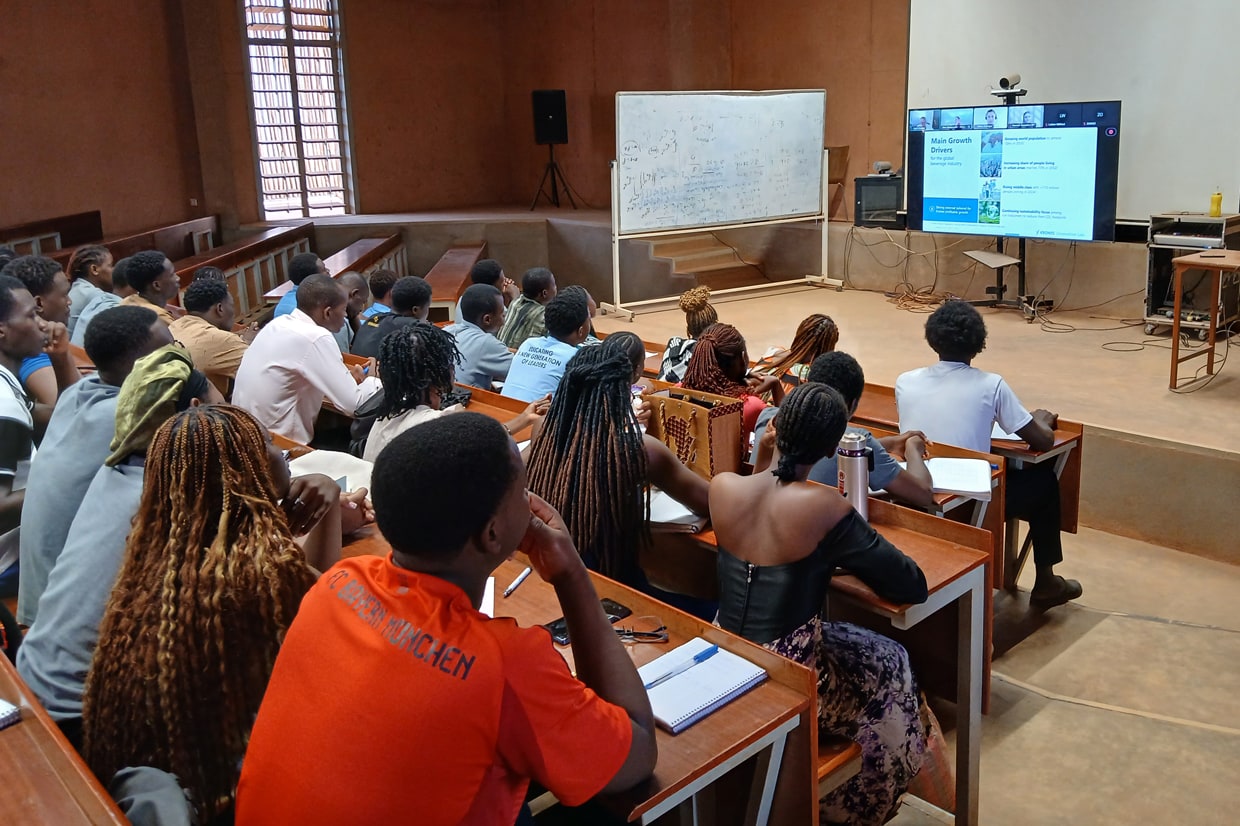
The project is being carried out by 67 students working in groups, with each group choosing one of three central challenges:
- When returnables reach their limit
This focuses on heavily contaminated and damaged glass bottles. High temperatures, long transport routes and unstable collecting structures lead to excessive reject rates, rising costs and a greater burden on machines. The analysis looks at the factors along the entire life cycle of glass bottles – both formal and informal collection systems – and possible improvement strategies, including potential contributions and technological solutions from Krones.
- Pulp bottles – a hit or a miss?
Paper-based bottles are considered highly promising alternatives – but are they identified correctly, accepted and disposed of properly in the local area? The students examine cultural assumptions about paper, existing recycling structures, design and communication requirements as well as the effects of heat and humidity on the material.
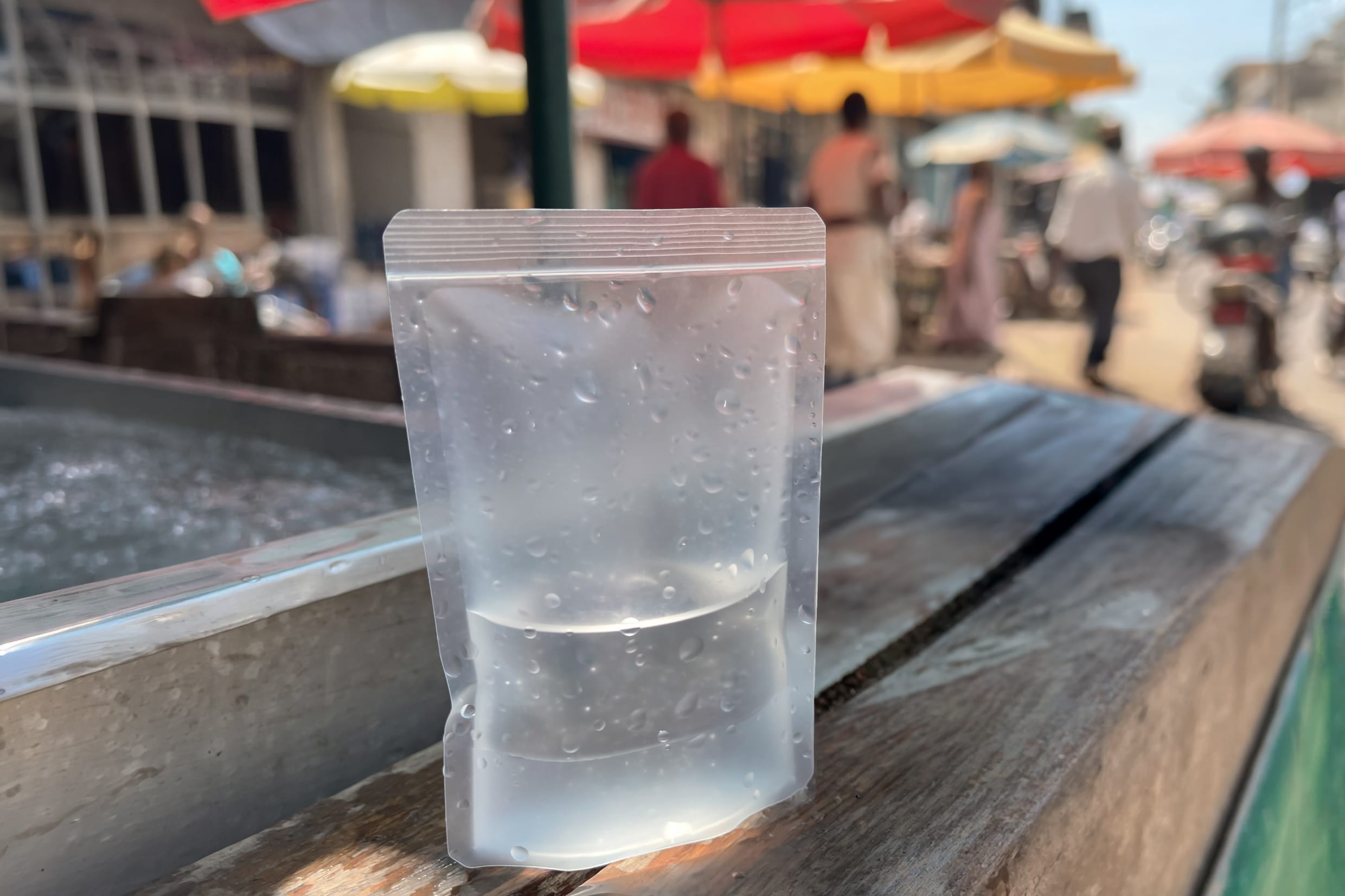
- Lightweight, low-cost, controversial: the future of PET and sachets
Many West African markets are dominated by lightweight PET bottles and low-cost plastic pouches, also known as sachets. At the same time, however, political pressure on these sachets is rising, while there is a lack of reliable data on consumer acceptance. It is precisely this area of tension that the students are looking at as they analyse both market trends and the perception among consumers.