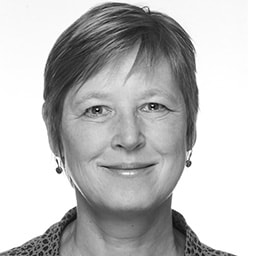
The ability to quickly implement ideas is going to become increasingly important, says Markus Tischer. Krones’ new Chief Technology Officer believes the company is well positioned for this. He expects sustainability and resource scarcity to remain the biggest drivers of innovation at the company, while huge opportunities lie in digital transformation and artificial intelligence (AI). A conversation about technology strategies for the future.
Mr. Tischer, let’s imagine we’ve travelled 25 years into the future, when Krones will celebrate its 100th anniversary. A state-of-the-art beverage filling line is being installed at a pilot customer’s plant. What does it look like?
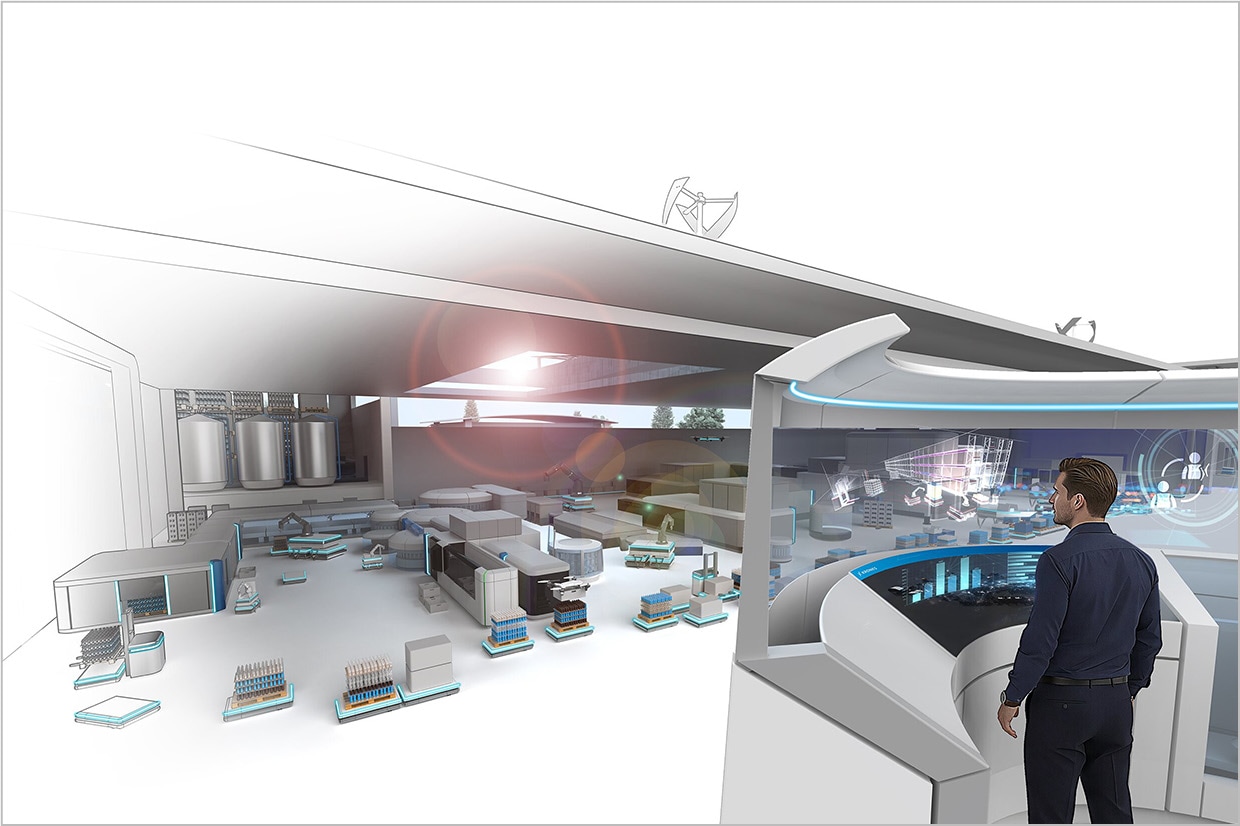
The line will be fully automated, and it will run without any operating personnel. Our customers envision a future in which a team can oversee the entire production plant from a single control centre. The high level of automation will be apparent from the large number of robots in use. They may look different than today’s robots. At any rate, they won’t be confined to tracks. They will move freely about the factory – perhaps they will even fly.
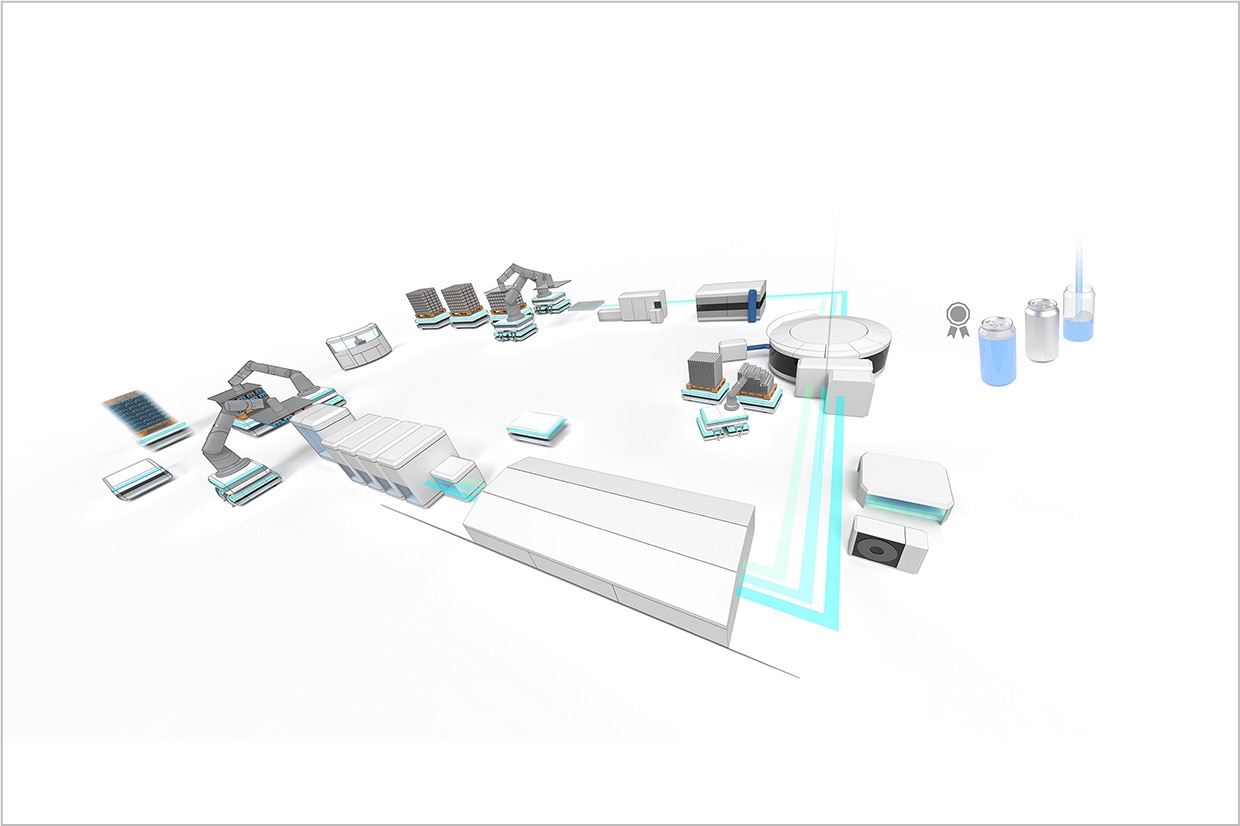
Of course, 25 years from now, the basic functions of the line will still be there – stretch blow moulding, labelling, filling, packing, et cetera. And by then they will all be combined in a single block. Our strong technological expertise in these areas will continue to be highly relevant. What will be new is the line’s high degree of connectivity with the overall system – that is, with the warehouse and all of the intralogistics as well as with the injection moulding and process technology areas. So expanding and deepening our expertise in networking and automation will become even more important in the future. We are already seeing the first signs of all these concepts today.
A fully automated line, running entirely without operating personnel, with a control centre from which the entire plant can be monitored – that is how CTO Markus Tischer envisions production 25 years from now.
But let’s take it a step further: What will a new factory look like 25 years from now?
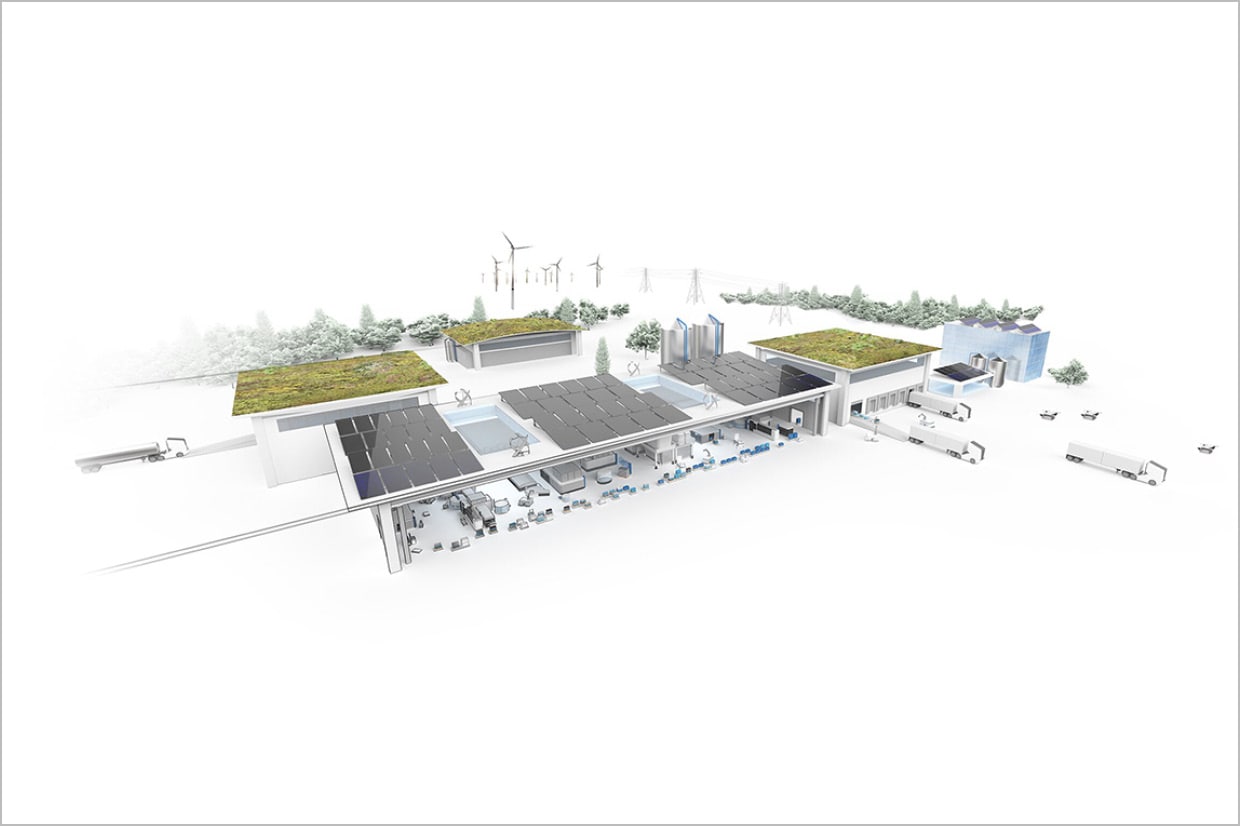
It will be fully digitalised and connected – with Krones because we manage the lines online but also with the company’s other plants as well as with the markets, from logistics providers right through to the supermarket check-out. The factory’s production will be based strictly on current market demand. Intelligent controls will take into account external information such as weather data to ensure that the right volume of the right product is made at the right place, at the right time.
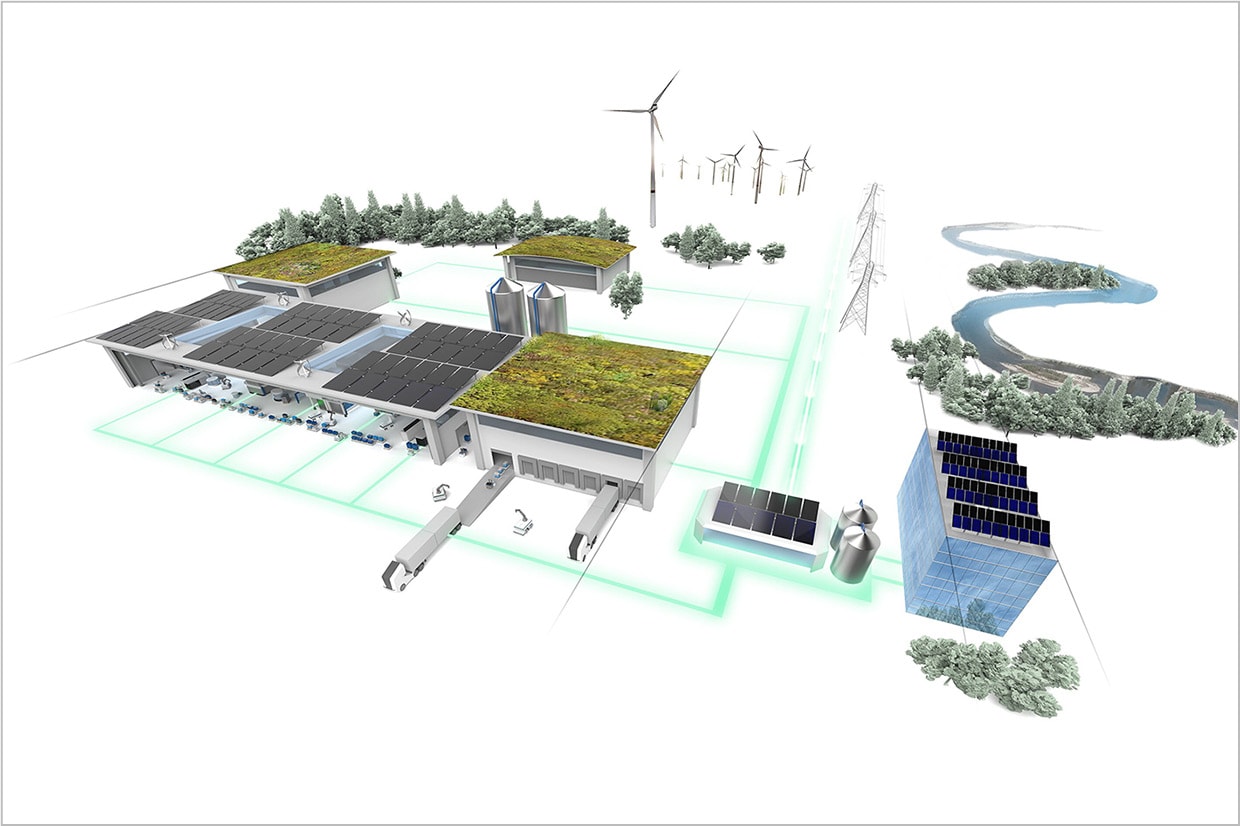
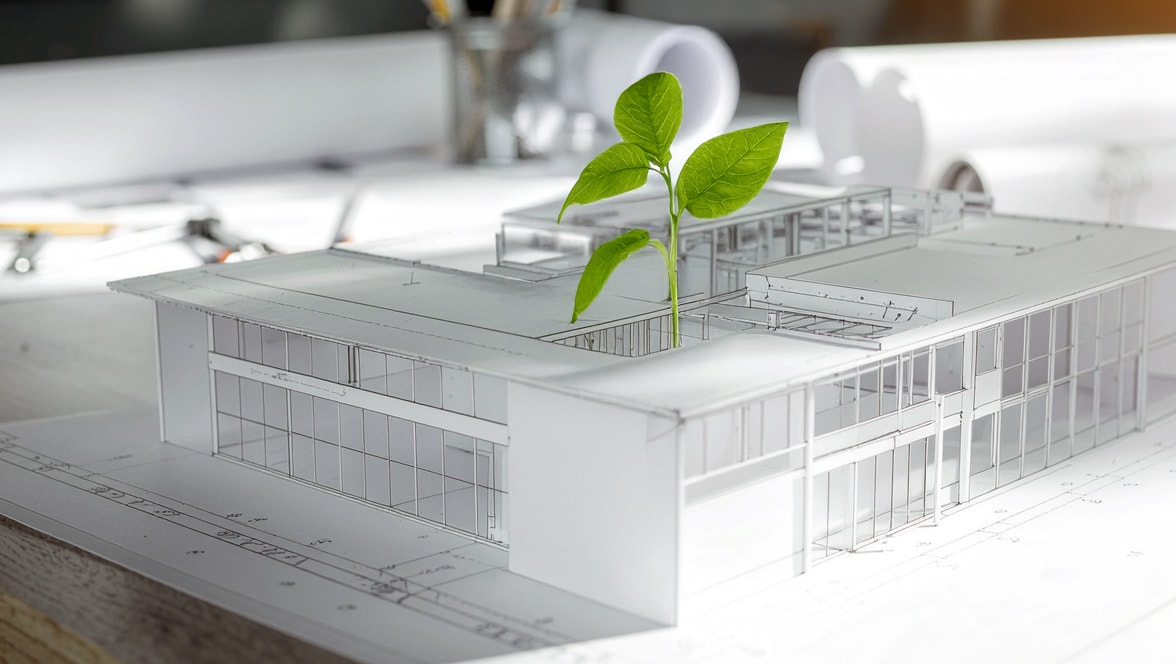
Plants will also operate much more sustainably than most plants do today. Their energy supply will be more locally sourced, renewable and intelligently organised. And far more plants will minimise their water consumption by implementing closed water circuits and treatment systems than we are seeing today.
Which technologies of the future is Krones laying the groundwork for today?
In general, artificial intelligence is an important key to our future technologies. We are already using it successfully today and are expanding its use significantly. A key technology is the digital twin – a virtual, data-driven replica of a physical system. We currently use it on an occasional basis, for instance for simulations in development. In the future, there will be enough computing capacity available to create digital twins of entire lines, possibly even entire plants. That will open up entirely new possibilities, from simulation and virtual commissioning to root cause analysis when troubleshooting issues on a system or line right through to continuous optimisation and modernisation during ongoing operation. All of that will save a lot of time.
In certain niches, we’re already taking it a step further, implementing agentic digital twins, which use AI-based simulations to assess various scenarios and use that information to offer up specific decision options and recommended next steps.
Keeping to the topic of digital transformation, where do you see the biggest opportunities and risks?
Digitalization can be an enormous help in further consolidating Krones’ technology leadership. One challenge in this regard will be the varying speeds of innovation. Our traditional industrial equipment business has innovation cycles of four to five years. In the digital world, we talk about months instead of years. We have to strike a balance here because our machines are often in operation at our customers’ plants for several decades. So we have to ensure that, over that entire life cycle, they can be retrofitted with new functions, some of which are unforeseeable today, for instance by way of software updates. In other words, we have to make sure that we can keep up with the pace of digital innovation and roll out new digital solutions across the board quickly.
You spoke of the connected factory communicating digitally with a variety of different elements in the network. How do you envision such a data landscape in the future?
There is a lot happening on that front right now. For example, Krones as a supplier of lines and systems offers its customers Krones.world, a central platform for digital services as well as other services and applications.
Over the long term, however, we and our solutions will simply be part of a much larger ecosystem that integrates many different players. These platforms and the underlying data protection and IT security concepts will be extremely important.
“Digitalization can be an enormous help in further consolidating Krones’ technology leadership.” Markus Tischer is sure of that.
How can Krones continue to serve smaller customers in this highly connected, digital world alongside large-scale beverage and food producers?
Both of these groups are important and relevant. Large companies tend to be more focused on cost and production efficiency. They want fully connected, intelligently controlled factories and will use them as a basis on which they handle many aspects themselves.
Smaller companies, on the other hand, won’t have the specialist personnel for every topic and will increasingly rely on us and our services. Digital transformation is key here, so that we can keep a dependable, virtual eye on their lines and quickly respond to issues remotely.
The latest innovation from Krones is Ingeniq, a novel line concept in every respect. One aspect of it is that the line is completely digital and connected, sending its data to the shared Krones.world platform. Over the long term, that will generate a huge treasure trove of data on a wide range of different lines around the world. How will Krones use that data?
First, I would like to stress that this information will be anonymised. No customer will be able to see another customer’s data – ever. But generally speaking, this data holds enormous potential. We are seeing that on the first Ingeniq lines, where the analysis of operating data is pointing out weak spots we would not have discovered by conventional means.
In the future, AI will make it easier to analyse this wealth of data. Then, for example, we can quickly find out whether a certain problem has already come up elsewhere. Or discover previously unknown connections – such as between a certain effect and energy consumption trends. We can offer our customers analyses and compare different sites, for example.
We’ve talked about AI a few times now. What are your expectations for this technology?
AI will fundamentally change many things to an extent that we can hardly imagine today. Just think how quickly AI solutions have developed in the last few years. We will have more and more data available to us and we will increasingly use it as a basis for making decisions. That goes for our lines and for our internal processes. In other words, we will work fundamentally differently in the future than we do today. We will use AI to support our development efforts, and our machines and processes will increasingly be driven by AI.
Of course, that also means that the demands on our employees will change. They will have to spend less time on automated routine tasks and can instead focus more on value-creating activities – from improving existing solutions to upgrading products and processes right through to developing new concepts and approaches for the future. Our job, then, will be to get the staff on board, foster a positive mindset, take them along on the road into a digital future and build the necessary skills.
Looking more generally at Krones’ technology development, what are the most important trends you’re focusing on?
Without a doubt, sustainability is one of the biggest drivers of innovation for us, particularly with respect to growing resource scarcity. For our customers, it makes both ecological and economic sense. For example, water is one of the most vital resources for our customers and it is becoming more and more precious in many regions of the world. So conserving and treating water will gain ever more importance. In general, intelligent, demand-driven production that doesn’t waste resources is becoming more and more essential.
“Plants will operate much more sustainably than most plants do today. Their energy supply will be more locally sourced, renewable and intelligently organised,” is how Markus Tischer envisions a beverage factory in 2051.
What will the market demand of Krones in the future, what do customers expect, and in what direction are competitors pushing Krones?
As always, the market demands manageable and reliable solutions at competitive total cost of ownership. We are in constant dialog with our customers and explore future prospects with them. Ingeniq is just one example of many that show how visionary results can come from this kind of exchange.
Competition will increasingly come not only from established large suppliers but also from smaller, highly pragmatic and agile companies based in Asia. As a result, we will have to take a two-pronged approach, offering leaner machine concepts that are precisely tailored to the needs of specific markets and customer groups alongside our high-end solutions. A diverse culture in our development teams will help us find suitable solutions in both areas.
You became Chief Technology Officer of Krones in July. What are your goals in this role?
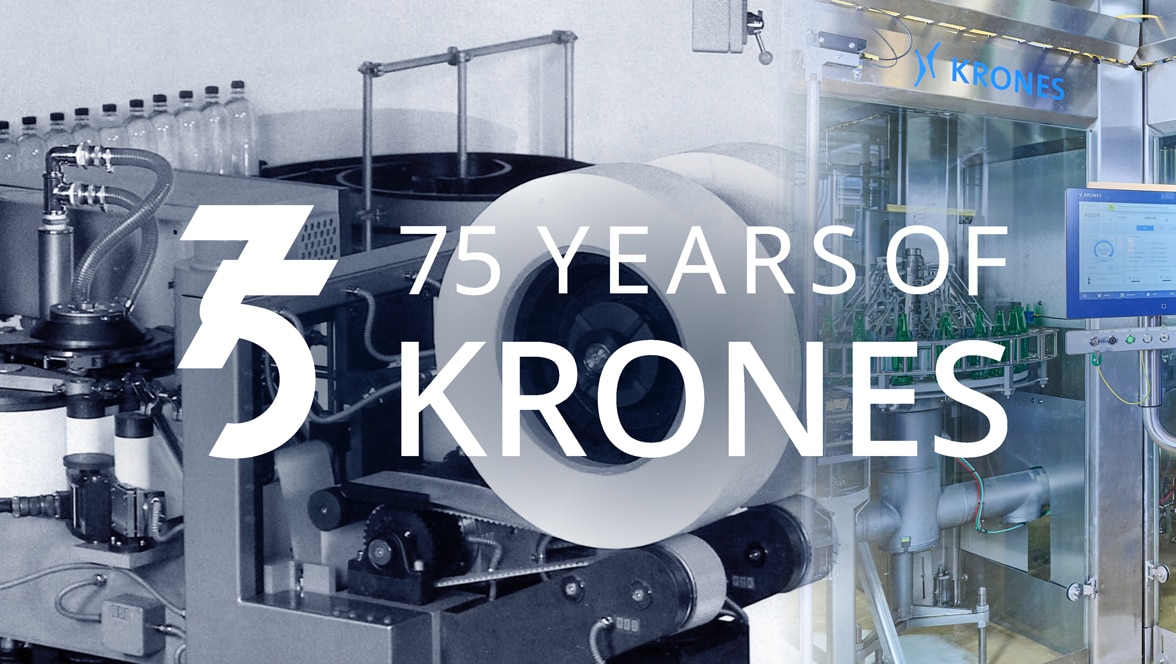
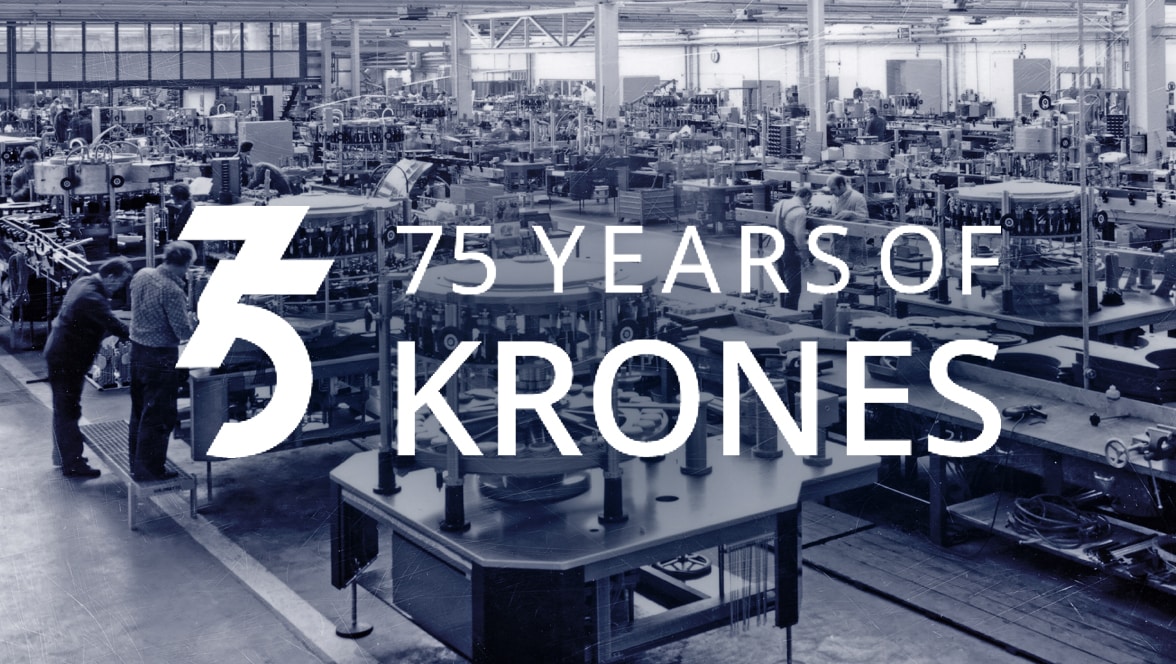
Krones is a technology company. Innovation is the key to our long-term success. I firmly believe that our 75 years of experience give us a unique level of knowledge along our customers’ entire value chain. I view my role as CTO promoting Krones’ innovative vigour and bringing together the diverse skills and expertise within the company, in such a way that generates solutions that add real value for our customers and which only Krones, with our unique combination of expertise, can make reality.
Ingeniq is a great example of this. In it, we are revolutionising the entire production process. Besides high-end equipment and end-to-end digital integration and automation, Ingeniq emphasises partnership with our customers. We assume joint responsibility for the line’s efficiency under a Lifecycle Alliance. For Ingeniq, various specialist departments have put together a package that nobody else on the market can offer in this form.
In this respect, another one of my jobs as CTO is to integrate technology even more closely with other areas of the company. Topics like digital transformation, sustainability and artificial intelligence can no longer be viewed in isolation. They are equally important in development, production, IT, sales and many other areas. More and more, the interfaces between these areas are precisely where innovation happens.
With Ingeniq, Krones is revolutionising the entire production process. “Besides high-end equipment and end-to-end digital integration and automation, Ingeniq emphasises partnership with our customers,” says Markus Tischer.
Now, when I say “innovation”, I’m referring not only to our products but also to our internal processes and systems. Which means that the “T” in CTO also stands for internal transformation. We need the digital innovations that we develop for our customers in our own business, too. Our people are key here, because they are the ones who implement these innovations and are navigating an increasingly digital work environment. As I mentioned earlier, it is important for us to take our employees along on the road into a digital future and build the necessary skills. In the IT realm, that is also part of my job.
Looking ahead again 25 years – to the year 2051, when Krones will celebrate its 100th anniversary. What issues will the then-CTO be concerned with?
By then, AI will be as commonplace and ubiquitous as the Internet is for us today – and it will make virtually all knowledge available to everyone. Innovation cycles will accelerate dramatically once again because AI will be able to quickly and continuously derive new solutions from this information. Setting our own knowledge apart and protecting it will be a far more complex task in that world than it is today. My theory is that in 25 years, it won't be a matter of who can protect an innovation the longest but rather who can translate it into real value for customers the fastest. A key task of the CTO, then, will be to navigate this dynamic and turn ideas into marketable solutions faster than everyone else.
I am convinced that we are already well positioned for such a scenario, with our global presence and our internal set-up. Unlike almost anyone else in our industry, we have a local presence in the most important markets and can quickly implement initiatives there. So the ability to bring together global teams, different cultures and rapidly advancing technologies will be even more important than it is today.